
What Does Super XXX's Mean? A Complete Guide to Super 100's, 110's, 120's, 130's, 150's and 180's Wool
Written by Kenji Tanaka
If you've ever visited a tailor or looked closely at the label of a quality suit, you've probably come across terms like Super 100's, Super 120's, or Super 150's.
At first glance, it's easy to assume that a higher number simply means a better fabric. In reality, the story is far more interesting. The Super S classification dates back more than a century and is directly related to the fineness of the wool fibres used to make the cloth.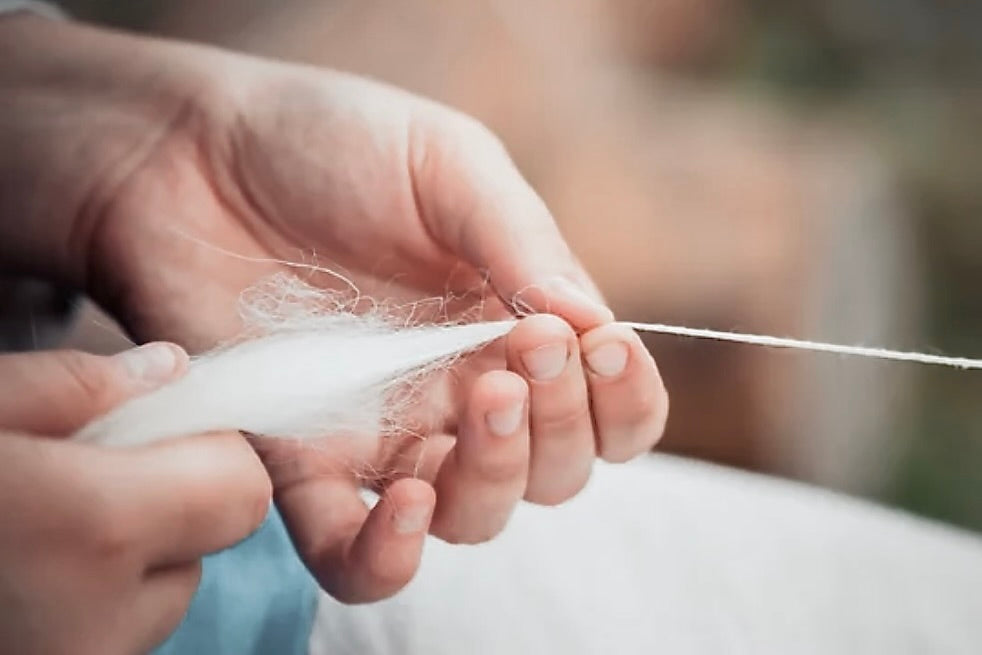
The Origin of the Super S System
The Super S system originated in the British wool textile industry during the late 19th and early 20th centuries, long before modern instruments could accurately measure the microscopic diameter of wool fibres.
At the time, fibre fineness was estimated by its spinning capability. The principle was simple:
The finer the wool fibre, the more yarn could be spun from the same weight of raw wool.
Traditionally, this was explained as follows:
- Super 100's: approximately 1 kilogram of raw wool could be spun into 100 kilometres of single yarn.
- Super 110's: around 110 kilometres.
- Super 120's: approximately 120 kilometres.
- Super 150's: roughly 150 kilometres.
What Does a Higher Super Number Actually Mean?
The Super number indicates the fineness of the wool fibre.
A finer fibre generally produces a fabric that is:
- softer to the touch,
- more elegant in drape,
- more flexible,
- and naturally more refined in appearance.
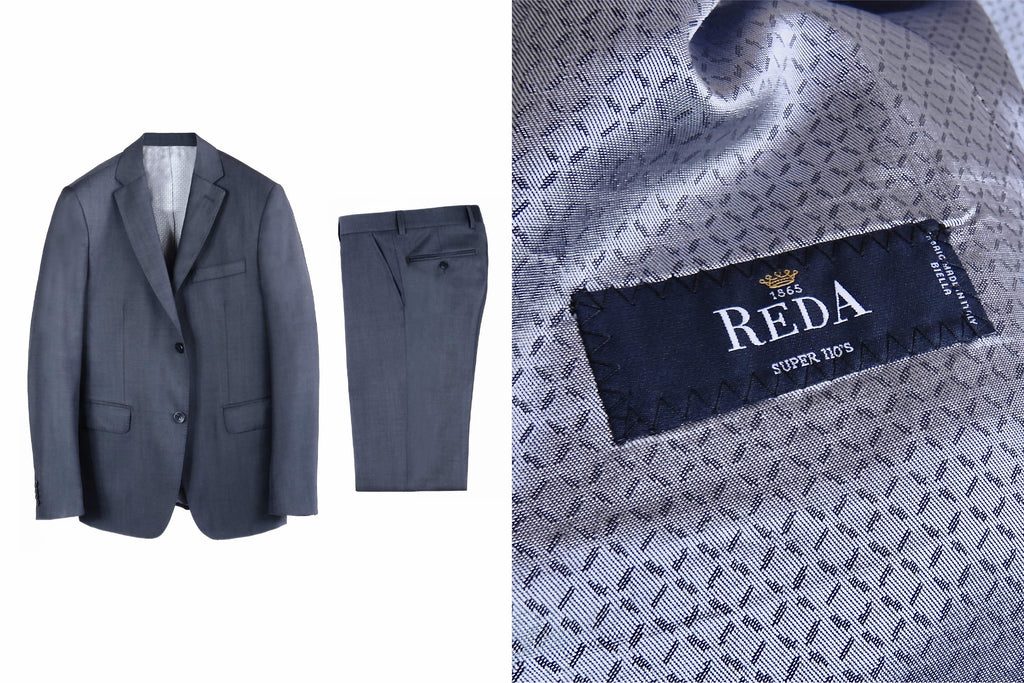
Super 110's. The right fabric depends entirely on how the suit will be worn.
Super S Classification and Fibre Diameter
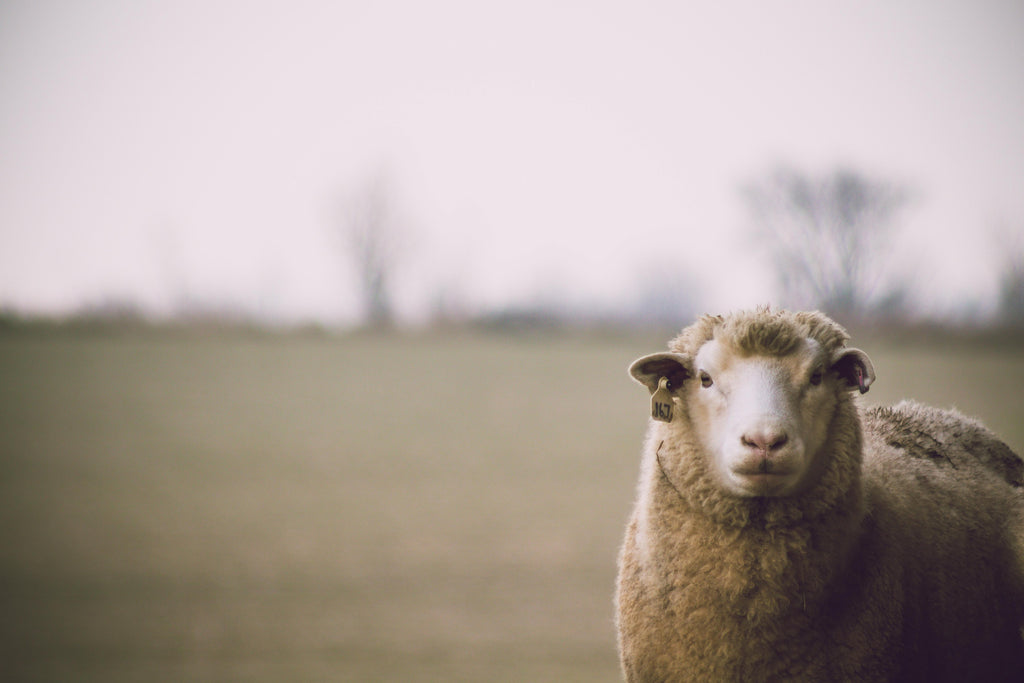
Today, the International Wool Textile Organisation (IWTO) defines the Super S classification according to the maximum fibre diameter, measured in microns (μm).
| Classification | Maximum Fibre Diameter* | Typical Use |
| Super 80's | 19.75 μm | Durable suits for frequent wear |
| Super 90's | 19.25 μm | Everyday business wear |
| Super 100's | 18.75 μm | Excellent balance of durability and softness |
| Super 110's | 18.25 μm | One of the most popular qualities for tailoring |
| Super 120's | 17.75 μm | Elegant and versatile |
| Super 130's | 17.25 μm | More refined and luxurious |
| Super 140's | 16.75 μm | Luxury fabrics |
| Super 150's | 16.25 μm | Exceptionally soft and silky |
| Super 160's | 15.75 μm | Premium luxury |
| Super 170's | 15.25 μm | Highly exclusive |
| Super 180's | 14.75 μm | Extremely fine |
| Super 190's | 14.25 μm | Very rare |
| Super 200's | 13.75 μm | Among the finest commercial wools available |
*Maximum fibre diameters established by the International Wool Textile Organisation (IWTO).Simply put, the higher the Super number, the finer the wool fibre.
Does a Higher Super Number Always Cost More?
Generally, yes.
Producing extremely fine wool fibres requires greater care, lower yields, and more selective raw materials, making these fabrics more expensive.
However, the Super number alone does not determine the overall quality of a cloth. Other factors are equally important, including:
- fibre selection,
- yarn spinning,
- weaving quality,
- finishing processes,
- and the reputation of the mill (such as Vitale Barberis Canonico, Drapers, Holland & Sherry, or Scabal).
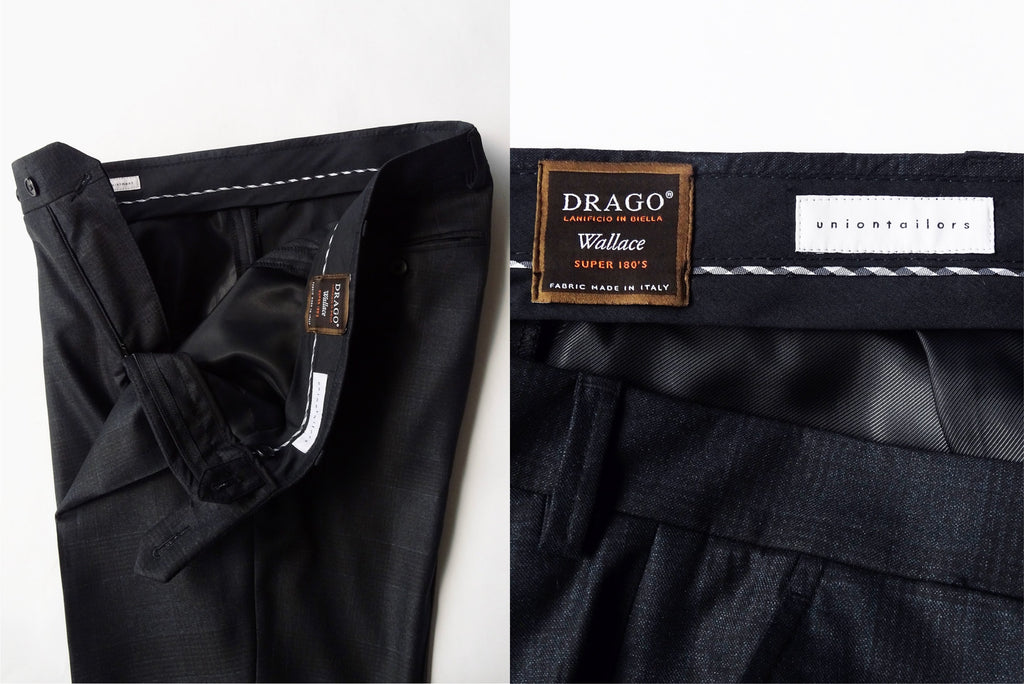
Which Super Should You Choose?
Each range has its own purpose.
Super 100's
An excellent choice for those who wear suits regularly. It offers a great balance between durability, comfort and elegance.
Super 110's
Arguably one of the most balanced fabrics available. Soft, elegant and durable enough for regular professional use.
Super 120's
A favourite among modern tailoring. It provides a noticeably finer handle while maintaining excellent durability, making it ideal for clients seeking both elegance and practicality.
Super 130's
Offers an extra level of refinement and softness without becoming overly delicate. A superb option for those looking for something more exclusive.
Super 140's and Super 150's
These are considered luxury fabrics. They are prized for their silky handle, beautiful natural lustre and exceptional drape, making them ideal for special occasions or less frequent wear.
Super 160's, 170's, 180's and Above
These represent some of the finest commercial wool fibres available. Their softness is extraordinary, but they also require greater care and are generally less suitable for everyday business suits.
So, Which One Is Best?
There is no universally "best" Super number.
If you're looking for a suit to wear several times a week, Super 100's or Super 110's are outstanding choices.
If you want the ideal balance between elegance and versatility, Super 120's is often considered the sweet spot.
If your priority is exceptional softness and luxury for occasional wear, Super 140's or Super 150's are difficult to surpass.
Ultimately, a higher Super number does not automatically mean a better suit. The best cloth is the one that suits your lifestyle, how often you'll wear it, and the balance you want between elegance, comfort and durability.
At Uniontailors, we believe that choosing the right fabric isn't about chasing the highest Super number. It's about selecting the cloth that best matches the wearer. An exceptional Super 110's or Super 120's fabric can deliver decades of enjoyment and often proves to be a wiser investment than an ultra-fine cloth used in the wrong circumstances.